
The Ultimate Chevron Mustache Guide: How to Grow, Trim & Style It

Trends come and go—and it’s no different for mustache styles. We’re now seeing the return of the 1980s staple, the chevron mustache. Falling somewhere between a horseshoe and a walrus mustache, the chevron mustache is angled downwards in a V formation. If you fancy a blast from the past, the chevron mustache can make a modish and hip mustache choice for today’s times.
Table of Contents
What is a chevron mustache?
The chevron mustache is the quintessential 1980s look, which is now back by popular demand. Outlining the shape of the upper lip, chevron mustaches mimic, well, a chevron. To define chevron, we’re referring to an upside-down, V-shaped form. It tends to look best on oval-shaped faces since it draws the vision horizontally. But what does a chevron look like in real life? The best examples of a mustache chevron-style are seen on notable figures like Freddie Mercury and Dr. Martin Luther King Junior. And if you search through some family photographs, you’re likely to see a few kindred chevron mustaches from decades past!
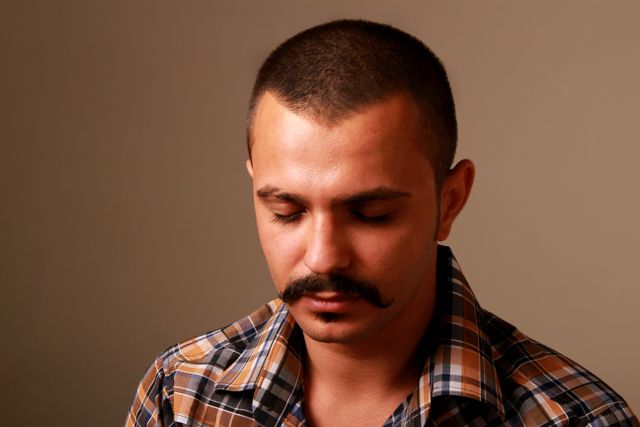
In terms of barbering proportions, a true chevron mustache covers the entire width of the upper lip, resting right along the top lip line without curling outward at the tips. Typically trimmed to a uniform length of 6 mm to 12 mm (#2 to #4 clipper guard), it delivers bold, masculine density while staying neat enough for everyday wear—a timeless look also popularized by Tom Selleck and Henry Cavill.
Chevron Mustache vs. Other Classic Mustache Styles
Because several heritage mustache styles share a full upper-lip base, the chevron is often confused with the lampshade, walrus, or horseshoe mustache. Understanding how they differ in length, lip coverage, and grooming effort will help you ask your barber for the exact cut you want:
Stay looking sharp and on schedule. Book your next haircut in just a few taps.
Variations of the chevron mustache
The clean-cut, classic chevron mustache may be the most well-known chevron style. It’s undeniably nostalgic with a cool 80s feel. But it can also be tweaked to take on a more modern appearance. There are several other variations of the chevron mustache and ways to modify one. Even dyeing your mustache or changing up your hairstyle can be excellent ways of enhancing a modern chevron mustache. Consider these variations if you’re going for a chevron style:
- Chevron mustache with beard: Growing your beard out along with your chevron mustache can help enhance it. A modern chevron beard mustache combo looks best with short beard styles. For example, a chevron mustache with a goatee will make a flattering duo.
- Chevron mustache with stubble: Another rendition of the beard is pairing your chevron mustache with stubble. Leaving some stubble creates a more relaxed look, steering away from that ultra-neat, military chevron mustache appearance.
- Thin chevron mustache: A thick chevron mustache may be off the table if you struggle with facial hair growth. However, you can still adapt the chevron style to accommodate less facial hair by creating a thin chevron look.
- Short chevron mustache: Ideal for corporate settings or warmer weather, a short chevron keeps the signature V-angle while trimming bulk down to 4–6 mm (#1.5 or #2 guard) so the hair sits cleanly above the upper lip line.
- Extended chevron mustache: For guys who want extra presence without committing to a full horseshoe, an extended chevron lets the outer corners grow slightly past the edges of the mouth, creating a bolder downward frame.
- The chevron beardstache: One of the most popular modern barbershop requests, the beardstache pairs a thick, full-volume chevron mustache (10–12 mm) with uniform 3-to-5-day heavy stubble (3–4 mm) across the cheeks and jawline.
Which Face Shapes Suit a Chevron Mustache Best?
Because a chevron mustache adds strong horizontal width across the center of the face, it naturally balances vertical proportions—though a skilled barber can tweak the length and corner angles to flatter almost any bone structure:
How long does it take to grow a chevron mustache?
Like with other facial hair styles, it varies from person to person for how long to grow a chevron mustache. In most cases, a chevron mustache will take around two to three months to grow out. Wait until your mustache has become dense before shaping it into a chevron style. Facial hair grows at a rate of about half an inch per month, so a bit of patience will be necessary to bring your chevron mustache to fruition.
- Weeks 1–2 (The Stubble Phase): Focus on keeping the cheeks, chin, and neck clean-shaven (unless growing a beardstache) while leaving the upper lip completely untouched.
- Weeks 3–6 (The Overlap Phase): Hairs will begin reaching the top of your upper lip and may feel itchy. Wash daily with a gentle beard shampoo and brush downward with a fine-tooth mustache comb to train the growth direction.
- Weeks 8–12 (Full Density & First Sculpt): Upper hairs from beneath the nose finally grow long enough to overlap the lower hairs, creating that signature thick, three-dimensional chevron curtain ready for precision shaping.
How to grow a chevron mustache
The classic chevron mustache looks best when full and thick. So, if you have no trouble growing your facial hair, getting a chevron mustache won’t be particularly difficult. Here’s a step-by-step breakdown of how to grow a chevron mustache hassle-free:
- Let your mustache grow out. Before you get to shaping, you’ll need to let your facial hair reach the right length and thickness to create a chevron style.
- Shave around the mustache. For a classic chevron mustache, remove all your facial hair except the mustache along your upper lip area. But don’t shave off too much! Keep some hair at the ends of the mustache and trim where the mustache begins to slope downwards.
- Perfect the chevron shape. Imagine two diagonal lines leading from your nose to the edges of your mouth. You’ll want to follow this imaginary V-shape to create a chevron mustache! Trim and shape your mustache accordingly. Then, clean up the scraggly bits outside of the upper lip.
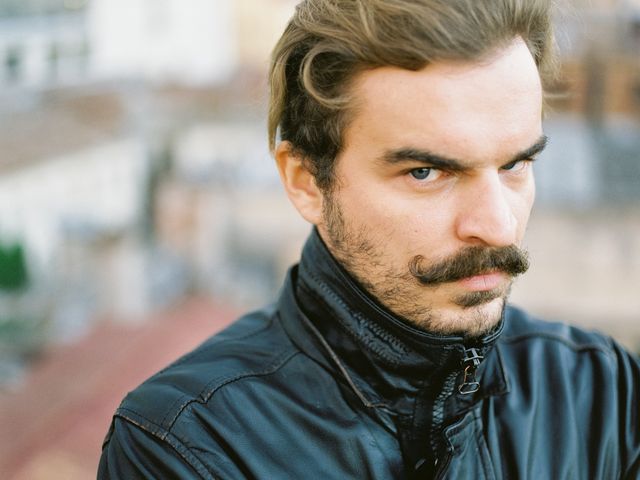
How to trim a chevron mustache
Once you’ve sculpted your initial chevron mustache, you’ll need regular maintenance work to help keep its form. New growth can cause a chevron mustache to lose its distinctive shape. So, routine trimming is key. How often you trim your chevron mustache will depend on its growth rate. For many people, a twice-weekly shape-up may be enough. But if your hair grows extra fast, shoot for trimming every other day.
High-quality shaving tools and products will give you the best look. This is an essential part of how to style a chevron mustache. When shaping a chevron mustache, focus on keeping the fullness in the middle of your upper lip area. Then, trim the chevron mustache at an angle along the outer edges. Check for symmetry on both sides as you work! Besides regular trims, the chevron is a low-maintenance mustache that doesn’t require extra styling. A splash of aftershave is enough to seal the deal. Avoid overusing mustache wax and other styling products on any chevron mustache styles.
- Debulk with a #2 to #4 Clipper Guard (6–12 mm): Always comb your mustache straight down while dry before trimming. Run a trimmer with a #3 (9 mm) or #4 (12 mm) guard downward with the grain to even out thickness without stripping away volume. Use a #2 guard (6 mm) if you prefer a shorter, cleaner chevron.
- Line the Upper Lip with Barber Scissors: Use small, sharp facial-hair shears to trim stray hairs hanging over the top edge of your upper lip. Follow the natural curve of your mouth and angle downward toward the outer corners.
- Define the Outer V-Edges with a Detailer: Use an unguarded T-blade trimmer or safety razor to crisp up the diagonal lines running from the outer nostrils to the corners of your mouth, keeping both sides symmetrical.
Frequently Asked Questions: Chevron Mustache
What clipper guard length is best for a chevron mustache?
Most barbers recommend using a #3 guard (9 mm) or #4 guard (12 mm) for a classic, full-bodied chevron mustache. If you want a shorter, lower-profile chevron that stays well above the lip line, drop down to a #2 guard (6 mm). Always trim dry hair in a downward motion so you do not accidentally take off too much length.
What is the difference between a classic and a modern chevron mustache?
A classic 1980s chevron mustache is worn completely solo against clean-shaven cheeks and chin, featuring maximum upper-lip density and sharp, well-defined diagonal edges. A modern chevron mustache is typically paired with 3-to-5-day stubble (a beardstache), a short boxed beard, or slightly softer, more natural outer corners.
Can you pull off a chevron mustache with a round face?
Yes—with a slight angle adjustment. Because a standard wide chevron draws the eye horizontally, guys with a round face should ask their barber for an extended chevron mustache with slightly steeper downward corners that reach just past the edges of the mouth. Pairing it with short chin stubble also helps elongate the lower half of the face.
Do you need mustache wax for a chevron mustache?
No. Unlike handlebar or English mustaches that require strong hold to twist the tips, a chevron mustache relies on natural downward weight and fullness. A light drop of beard oil or conditioning balm is all you need to soften coarse hairs and prevent dryness—heavy mustache wax can make a chevron look stiff or clumpy.
Can I grow a chevron mustache if I have a gap in the middle (philtrum)?
Yes. Many men have a natural hairless groove right beneath the nose. As the hairs on either side of the center grow past 0.5 inches over 8 to 10 weeks, combing them slightly inward and downward will naturally bridge and conceal the gap, creating the illusion of a continuous, thick chevron.
Should I ask a barber to shape my chevron mustache the first time?
Booking a professional beard and mustache trim on Booksy for your initial sculpt is the safest move. Once a barber establishes the exact V-angles, lip line, and symmetry tailored to your mouth and bone structure, maintaining that blueprint at home every few days takes less than five minutes.


